

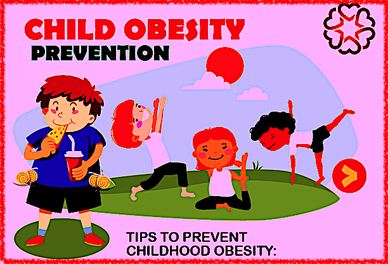
To help children maintain a healthy weight and avoid obesity, families should prioritize balanced nutrition, such as plenty of vegetables, fruits, and whole grains, while limiting sugary drinks and processed foods.
Daily physical activity (e.g., walking, cycling), reduced screen time (under 2 hours daily), and consistent sleep routines are critical for long-term health.
Key Nutritional Habits
- Prioritize Real Foods: Focus on protein, vegetables, fruits, and whole grains
- Hydration: Replace sugary drinks and juice with water or milk
- Portion Control: Use smaller plates and allow children to stop eating when full
- Structured Meals: Eat dinner together and avoid grazing
- Avoid Using Food as a Reward: Do not use treats to bribe or punish
Essential Movement Habits
- Daily Activity: Encourage 60 minutes of daily, active play
- Family Activity: Make exercise a family activity—walk the dog, go for bikes rides, or dance
- Limit Screen Time: Keep screen time under 2 hours per day and keep screens out of bedrooms
- Encourage Play: Encourage, rather than force, participation in sports or active games
Best Practices for Success
- Model Behavior: Children are more likely to eat healthily and move more if parents do the same
- Prioritize Sleep: Regular, quality sleep (10-12 hours depending on age) reduces cravings and boosts energy.
- Make it Fun: Focus on energy and health, not weight.
- Get Everyone Involved: Make healthy habits a family-wide initiative, not a punishment for one child
Summary
Taking care of children is fundamental, including their food habits and daily movements. For more detailed guidance, the CDC's page on family strategies offers practical advice. The NHS link also provides a useful guide on healthy eating habits for parents, and UNICEF offers tips on improving eating habits (see below):



Scientifically proven Trainer

Virtual Personal Trainer
Recommended
<< Previous article




Next article >>

Write a comment