

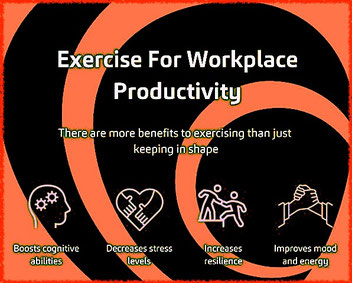
Exercise can improve not only body health but also work performance. Exercise is a powerful, evidence-based approach that can help to increase motivation and improve work performance.
In particular, proper exercise routines can boost energy levels, reduce stress (cortisol), and release endorphins.
Research has shown that all the above could result in a 41% increase in motivation, 21% better concentration, and even enhanced team interaction. Regular movement, even short sessions, can help to combat fatigue and sharpen cognitive function.
Key Benefits for Work Motivation
- Boosts Energy and Focus: Physical activity increases blood flow to the brain, which enhances memory, creativity, and cognitive processing, allowing you to tackle complex tasks with more vigor.
- Improves Mood and Reduces Stress: Exercise decreases anxiety and stress, helping you stay calm under pressure and, thus, more motivated to engage with work tasks.
- Creates Structural Routine: Scheduling exercise provides structure to the day, helping to create a habit of productivity.
- Enhances Long-Term Persistence: Focusing on mastering a physical skill (e.g., training for a race or learning a sport) can boost confidence and encourage a similar "mastery mindset" at work.
- Recover Quickly From Difficulties: Exercise can help to increase resilience. Building resilience involves strengthening both mind and body through consistent, manageable challenges (see below).
Tips for Increasing Motivation via Exercise
- Schedule It: Treat exercise like an important meeting to ensure it happens.
- Choose Enjoyable Activities: You do not need to train like an athlete; even light exercise brings benefits. For example, regular aerobic exercise, like brisk walking and/or swimming; anaerobic exercise, like strength training; mindfulness meditation, intentional exposure to, and overcoming, minor stressors; and practicing positive self-reflection.
- Activity Timing: Aim for 30–45 minutes of moderate activity at least 3 to 5 times a week.
- Use Lunch Breaks: Short bursts of activity during the day can significantly improve mood and energy.
How to incorporate exercise into your daily life
Once you have your goals set, the next step should be to maintain consistency. Recent studies have shown that it takes about two months on average to make a new habit routinary. Therefore, it is important to stay consistent with the plan to reach healthy benefits. Ideally, starting slowly will help you meet your set goals every day for the first weeks, and when you feel comfortable, you can either stick to your plan or set a new one and keep it going for the following weeks, and so on, so forth.
Last thoughts
Exercise is a very powerful tool for boosting work performance and overall well-being. Incorporating regular physical activity into your daily routine can enhance motivation, cognitive function, mental health, body energy, and stress management. By giving priority to exercise and making it a routine in your daily life, you could taste the many benefits it could offer, resulting in improved work performance and a healthier professional life.
In summary, for optimal results, regular moderate-intensity exercise is recommended to maintain the mental and physical benefits necessary for a productive, highly motivated work life.
Related links
- Harvard Business Review -> https://hbr.org/2023/05/to-improve-your-work-performance-get-some-exercise
- Northeast Technical Institute -> https://ntinow.edu/the-importance-of-exercise-for-improving-work-performance/



Scientifically proven Trainer

Virtual Personal Trainer
Recommended
<< Previous article




Next article >>

Write a comment